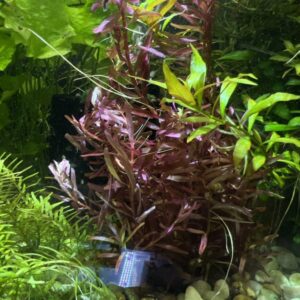



Choosing the best plants for shrimp aquariums is one of the easiest ways to build a healthy, thriving freshwater shrimp aquarium. Whether you’re keeping Neocaridina shrimp, Caridina shrimp, or a mixed planted shrimp aquarium, live plants provide food, shelter, and stability. Shrimp spend most of their time grazing on natural biofilm that grows on leaves, wood, and decorations. Plants dramatically increase the amount of micro-life in the aquarium, and the more surface area you provide, the healthier and more active your shrimp will be. If you’re looking for shrimp-safe plants that work well in beginner setups, low-light aquariums, or high-biofilm environments, this guide covers the best options.
Table of Contents
1. Java Moss

Java moss is one of the best plants for shrimp aquariums and a top choice for anyone keeping Neocaridina shrimp or breeding shrimp indoors. It thrives in low light, doesn’t require CO2, and adapts easily to most freshwater conditions. Java moss forms dense, tangled patches that naturally collect food and grow layers of biofilm—one of the most important food sources for shrimp.
Because it spreads easily, Java moss works in many aquascaping styles. Shrimp use it for grazing, hiding, and protecting shrimplets, making it a staple in planted shrimp aquariums.
2. Subwassertang

Subwassertang is another excellent biofilm-producing plant that shrimp absolutely love. It has a soft, leafy texture that forms loose cushions, giving both Neocaridina and Caridina shrimp endless places to explore. It doesn’t root, which means you can place it anywhere in the aquarium. It thrives in low to medium light and stays healthy without CO2, making it perfect for beginners and low-tech aquarium setups.
As it grows, Subwassertang becomes a natural shrimp nursery. Baby shrimp disappear safely inside it, protected from fish and strong water flow. Its high surface area makes it one of the best plants for shrimp who rely heavily on constant grazing.
3. Anubias

Anubias is a hardy, slow-growing, shrimp-safe plant that works beautifully in freshwater shrimp aquariums. Its thick leaves hold large amounts of biofilm, giving shrimp constant grazing. Anubias thrives in low light and doesn’t require CO2, fertilizer, or high-tech equipment.
Smaller varieties like Anubias nana and Anubias nana ‘Petite’ are especially good aquarium plants for shrimp aquascapes. Their compact size matches shrimp perfectly, giving them accessible surfaces to climb, explore, and feed on. Because Anubias tolerates a wide range of water parameters, it’s excellent for both beginner shrimp keepers and experienced aquascapers.
4. Java Fern
Java fern is another top-tier plant for shrimp aquariums. It thrives in low-tech, low-light conditions and adapts well to most freshwater shrimp setups. The wide leaves offer natural shade and give shrimp a sense of security.
A unique feature of Java fern is that it produces small plantlets on the edges of its larger leaves. These baby ferns create extra surfaces for grazing and eventually grow into new plants, making Java fern a self-expanding option for shrimp keepers. It is one of the most reliable aquarium shrimp plants for both Neocaridina and Caridina species.
5. Cryptocoryne

Cryptocoryne plants are excellent mid-level additions for freshwater shrimp aquariums. They provide structure in the middle space of the aquascape and create natural pathways for shrimp to travel through. Crypts collect small particles and grow natural biofilm, making them great for shrimp that depend on constant grazing.
Popular varieties include Cryptocoryne wendtii Green, Cryptocoryne wendtii Bronze, Cryptocoryne wendtii Red, and Cryptocoryne lutea. These crypts come in different leaf shapes and colors, which adds depth and contrast to shrimp aquascapes. While crypts may grow slowly at first, they become extremely hardy once established, even in low-light, low-tech freshwater shrimp setups.
6. Floating Plants (Small, Shrimp-Safe Options)
Floating plants are fantastic aquarium plants for shrimp because they improve water quality and create a calmer, shaded environment. They absorb excess nutrients, help control algae, and produce long roots that shrimp graze on constantly. They’re also great for planted shrimp aquariums that need stable parameters.
Good small floating aquarium plants include:
• Frogbit (Limnobium laevigatum) – long roots, great nutrient absorption
• Salvinia minima – easy for beginners, doesn’t overwhelm the surface
• Duckweed (Lemna minor) – tiny leaves, fast growth, excellent for nitrate control
These floaters support shrimp by keeping the environment stable, shaded, and full of micro-life.
Do You Still Need to Feed Shrimp in a Planted Aquarium?
Yes. Even with a fully planted shrimp aquarium full of biofilm and natural grazing surfaces, shrimp still need supplemental food. Freshwater shrimp benefit from shrimp pellets, blanched vegetables, and calcium sources that support proper molting. Live plants can support their diet, but they don’t replace dedicated feeding—especially for larger colonies or breeding projects.
Final Thoughts
If you want a successful shrimp aquarium, use a mix of high-biofilm plants like Java moss and Subwassertang, sturdy low-light plants like Anubias and Java fern, nutrient-absorbing floaters such as frogbit or Salvinia, and a colorful crypt to fill the mid-space. This combination creates a balanced, shrimp-safe aquascape with plenty of grazing surfaces, hiding spots, and stable water conditions. Whether you’re keeping Neocaridina shrimp, Caridina shrimp, or building your first planted shrimp aquarium, the right plant choices make all the difference in long-term health and success.